Victoria Station removals and loading advice Westminster
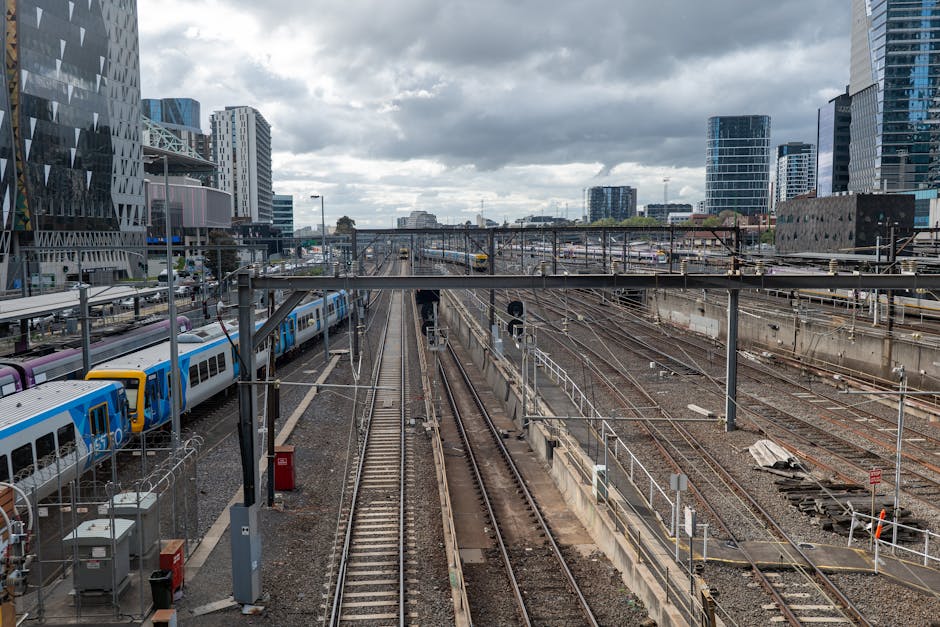
If you are planning a move near Victoria Station, you already know this is not a normal London loading job. Traffic is busy, pavement space can disappear in a blink, and one wrong decision can turn a tidy move into a stressful waiting game. That is why Victoria Station removals and loading advice Westminster matters so much: it helps you plan access, loading, timing, and vehicle choice before moving day arrives.
This guide is built for people moving home, shifting office items, collecting furniture, or arranging a single-item pickup around Victoria, Westminster, and the surrounding central London streets. You will find practical loading advice, common mistakes to avoid, and a straightforward way to make the whole thing less chaotic. Truth be told, the difference between a smooth move and a frazzled one is often just preparation.
Why Victoria Station removals and loading advice Westminster Matters
Victoria is one of those places where logistics are never just logistics. You are dealing with busy roads, time-sensitive access, pedestrians moving constantly, and loading space that may be shared, restricted, or simply awkward. In Westminster especially, even a small move can become complicated if the vehicle arrives at the wrong time or the team has not thought through the route.
The main issue is not just the distance. It is the access. A sofa might be easy to lift, but getting it from a third-floor flat to a van without blocking foot traffic is another matter entirely. A few minutes of poor planning can create delays, extra costs, and avoidable stress. And if you are moving near the station during rush hour, it is fair to say the area has its own pace. Fast, crowded, and not especially forgiving.
Good loading advice is about more than parking. It covers where the vehicle can stop, how long loading will take, whether there is room for trolleys, how many crew members are needed, and whether bulky items should be dismantled beforehand. It also helps you avoid the classic central London mistake of thinking, "We'll just sort it on the day." That rarely ends well, does it?
Expert summary: For moves near Victoria Station, success usually depends on three things: tight timing, sensible vehicle sizing, and a loading plan that fits Westminster's real-world street conditions rather than an idealised one.
If your move also involves home contents, you may find it useful to look at home moves support or, for more specialist or larger-scale jobs, house removalists. For business relocations near the station, office relocation services and commercial moves are often a better fit.
How Victoria Station removals and loading advice Westminster Works
The practical side of a Victoria move begins well before the van turns up. A proper loading plan usually starts with a quick assessment of what you are moving, where it is coming from, and how easy it is to get from the property to the vehicle. That might sound obvious, but in central London the details are what matter.
Here is the usual flow:
- Assess the load - identify fragile, bulky, awkward, or high-value items.
- Check access - staircases, lifts, doorway widths, narrow corridors, and the nearest realistic stopping point.
- Choose the vehicle - a smaller van can be better if streets are tight, while a larger vehicle may suit fuller home or office moves.
- Plan the loading order - items should be arranged so the heaviest and least fragile pieces are secured first.
- Allow time for timing restrictions - around Victoria, arriving a few minutes late can matter more than people expect.
- Secure the load properly - straps, blankets, and careful stacking reduce the chance of damage in transit.
In practice, loading near Victoria often means adapting on the fly. A loading bay might be occupied, a road may be busier than expected, or the quickest route from the building to the vehicle may change once you are there. That is why experienced movers keep the plan simple and flexible. Not rigid. Simple.
If you need a flexible van-based option, a man and van or man with van service can suit smaller local jobs well. For larger loads, a moving truck or removal truck hire may be more practical, especially where there is a lot of furniture or office equipment.
Key Benefits and Practical Advantages
When your loading plan is right, you feel it immediately. The day runs with less friction, and there is less of that stop-start chaos that can drain a move before it even begins.
- Less waiting around - good timing reduces the chance of delays at the kerb.
- Safer handling - well-planned loading lowers the risk of knocks, scrapes, and dropped items.
- Better use of vehicle space - the right packing order means fewer wasted trips.
- Lower stress for everyone - from the person moving out to the team doing the lifting.
- More predictable costs - fewer delays and fewer surprises usually mean a cleaner quote and fewer extras.
- Faster completion - a well-run loading process means you get the job done and move on with your day.
For some customers, the biggest benefit is simply not having to worry about the awkward bits. If you are moving after work, or on a morning when you already have too much on your plate, that matters. A lot.
It can also help to think about what else needs removing at the same time. If you are clearing old furniture, you might want to arrange a furniture pick-up or separate disposal for bulky items such as a mattress and sofa disposal. If appliances are involved, fridge and appliance removal can save a lot of hassle.
Who This Is For and When It Makes Sense
This advice is useful for a wide range of people, but it is especially relevant if your move touches the station area, central Westminster streets, or nearby busy thoroughfares where stopping space is limited.
You will benefit from this guidance if you are:
- moving out of or into a flat near Victoria Station
- relocating a small business or office nearby
- collecting furniture from a shop, storage unit, or private address
- moving a few large items rather than a whole house
- trying to fit a move around a tight time window
- handling a last-minute job that still needs to be done properly
It also makes sense if you are not completely sure how much access you have. Maybe there is a lift, maybe not. Maybe the street outside looks manageable, but the actual loading point is further away than you hoped. This is where local experience helps, because a move can look simple on paper and still be awkward in real life.
For people prioritising speed and flexibility, a smaller vehicle-based service is often enough. For larger moves, especially those involving multiple rooms, office furniture, or equipment, a more structured removal setup can be the better fit. If you need guidance on packing first, packing and unpacking services can also take pressure off the day.
Step-by-Step Guidance
If you want a smooth move near Victoria, here is the practical version. No fluff, just the sequence that tends to work best.
1. Start with a clear list of items
Write down what is moving, what is staying, and what may need dismantling. Include odd-shaped items. A lamp, a mirror, a bike, a printer. Those little extras can cause more trouble than the main furniture if they are forgotten.
2. Measure the awkward bits
Check doorways, lifts, stair width, and the size of the larger items. You do not need to overcomplicate this. A tape measure and ten minutes can prevent a genuinely annoying surprise later. If a wardrobe barely clears the hallway at home, it will not magically behave in the street.
3. Decide the right vehicle size
Central London loading is rarely about using the biggest van possible. Sometimes a slightly smaller vehicle is easier to position and quicker to load. Other times, a larger truck saves repeat journeys. The right choice depends on volume, access, and how much time you have.
4. Prioritise the loading order
Heavy, solid items usually go in first. Fragile items are protected and placed where they will not be crushed. Long items need to be positioned carefully so they do not block access to everything else. It sounds basic, but a disorganised load wastes time at the drop-off end.
5. Protect the property and the items
Use blankets, straps, covers, and proper lifting technique. In narrow Westminster buildings, walls, bannisters, and corners are always the first things to suffer if the team is rushed. Nobody wants that scuffed-up staircase look, especially in a building you still need to hand over cleanly.
6. Build in a timing buffer
A little extra time helps a lot around Victoria. Road conditions, pedestrian flow, and access points can change quickly. If your schedule allows even a small buffer, use it. You will be glad you did.
7. Confirm unloading at the destination
The job is not done when the van leaves Westminster. Check access at the destination too. You may need to reserve space to unload, allow for stairs, or adjust where items should be placed. A good move feels almost calm at this stage. Almost.
Expert Tips for Better Results
A few small habits can make a surprisingly big difference. These are the things that tend to save time and reduce headaches.
- Label boxes by room and priority. It speeds up unloading and stops essentials from being buried.
- Keep a separate essentials bag. Documents, chargers, keys, medication, and basic toiletries should not disappear into the van.
- Use wrapping for delicate surfaces. Polished wood, glass, and painted edges need more care than most people think.
- Break down furniture where possible. Flat-pack items, bed frames, and table legs often travel better in smaller parts.
- Take photos before the move. Helpful for remembering how things were assembled, and handy if you need to check condition later.
- Don't overload boxes. A box that looks neat can still be far too heavy to carry safely. Your back will not thank you.
One thing many people overlook is communication. If the movers know about stairs, parking issues, or fragile items in advance, they can plan properly. That alone can shave time off the job and prevent a lot of awkward back-and-forth on the pavement.
If you are moving into or out of a commercial property, it may also be worth reviewing office relocation services and commercial moves so you can match the service to the size of the job.
Common Mistakes to Avoid
Most problems around Victoria Station are not dramatic. They are small, avoidable mistakes that stack up.
- Arriving without checking access. A vehicle can be perfectly suitable and still impossible to position well.
- Underestimating loading time. A few heavy items can take longer than a house full of boxes.
- Forgetting about the return route. If the unloading point is awkward, the whole job slows down.
- Not dismantling furniture early enough. Last-minute wrenching with tools on the pavement is not ideal. Not really.
- Ignoring disposal needs. Old items left on the day can clutter the move and create extra cost later.
- Packing in too much at once. A van can only be loaded safely if there is some logic to the order.
Another common issue is assuming every move around Victoria needs the same solution. It does not. A student flat, a two-bedroom home, and a small office have very different needs. The best plan is the one that fits your situation, not the one that looks neat in theory.
Tools, Resources and Recommendations
You do not need a van full of specialist gear to move well, but a few practical tools help more than people expect.
| Tool or resource | Why it helps | Best for |
|---|---|---|
| Furniture blankets | Protect surfaces from scratches and knocks | Tables, wardrobes, cabinets |
| Ratchet straps | Hold items in place during transit | Heavy or tall loads |
| Wheel trolley | Reduces carrying strain over short distances | Boxes, appliances, furniture |
| Labels and marker pens | Keep rooms and priority items organised | Home and office moves |
| Protective wrap | Helps with dust, moisture, and minor scuffs | Mattresses, cushions, soft furnishings |
There are also a few service pages worth knowing about if your move involves more than simple transport. For example, packing and unpacking services can be useful if you are short on time. If you need disposal alongside the move, recycling and sustainability can help you think about what can be reused or recycled rather than simply thrown away.
For specialist disposal jobs, the following may also be relevant depending on what you are clearing: hazardous waste disposal, confidential shredding, and what can go in a skip. If your move is price-sensitive, a quick look at pricing and quotes is sensible before you book anything.
Law, Compliance, Standards, or Best Practice
For removals and loading in Westminster, the main thing is to follow local parking, loading, and access rules carefully. Exact restrictions vary by street and time of day, so it is wise to check the practical details well in advance rather than making assumptions. In central London, a small mistake can have a big knock-on effect.
Best practice usually includes the following:
- parking or stopping only where loading is realistically permitted
- keeping pavements and building entrances clear wherever possible
- using proper lifting technique and enough crew for heavy items
- securing loads so items cannot shift in transit
- handling fragile, electrical, and specialist items with care
- disposing of unwanted goods responsibly where needed
If appliances, mattresses, sofas, or other bulky items are being taken away, it is sensible to use the right disposal route rather than leaving waste management until the last second. That applies especially if you want to keep the move tidy and avoid unnecessary hassle. For business customers, safe handling and confidentiality may also matter, particularly where paperwork or sensitive equipment is involved.
Insurance is another practical point. It is always worth checking how items are covered during loading, transport, and unloading. There is no drama in asking. In fact, it is one of the smartest things you can do.
Options, Methods, or Comparison Table
Different move types call for different approaches. A quick comparison can help you decide what fits best.
| Option | Best for | Pros | Trade-offs |
|---|---|---|---|
| Man and van | Small to medium local moves | Flexible, quick, often ideal for short-notice jobs | Limited space for larger house moves |
| Moving truck | Larger loads and fuller moves | More capacity, fewer trips | Can be harder to position in tight central streets |
| Removal truck hire | Structured moves with more inventory | Useful for bigger transport requirements | May need more planning and access coordination |
| House removalists | Full domestic relocations | More hands, better for complex moves | May be more than you need for a small job |
The right choice depends on what you are moving and how tight the access is. A small flat near Victoria often does not need a huge setup. A family home or office relocation, on the other hand, may benefit from a more comprehensive service. There is no prize for overcomplicating it.
Case Study or Real-World Example
A common scenario in Westminster goes something like this. A customer is moving from a top-floor flat a short distance from Victoria Station. They have a sofa, a bed frame, several boxes, a dining table, and a couple of fragile mirrors. On paper, it sounds manageable in one trip. In reality, the building has a narrow stairwell, the street outside is busy, and the loading point is not directly beside the entrance.
The useful move here is to split the job into stages. First, measure the larger items and confirm they will fit through the stairwell. Second, dismantle the bed frame and table in advance. Third, keep fragile items boxed separately and clearly marked. Fourth, use a van size that can stop and load without making the access problem worse. Finally, load in a clear order so the heaviest pieces go in first and the delicate ones stay protected.
By doing it this way, the day feels controlled rather than frantic. There may still be a few awkward moments - there usually are, to be fair - but they are manageable. The job becomes less about panic and more about steady progress. That is the goal, really.
Practical Checklist
Use this checklist before move day. It keeps things grounded.
- Confirm the moving date and timing window
- Check access at both properties
- Measure bulky furniture and doorways
- Decide whether items need dismantling
- Set aside fragile items and essentials
- Label boxes by room
- Arrange parking or loading considerations where possible
- Choose the right vehicle size
- Prepare blankets, wrap, straps, and tools
- Separate disposal items from items to keep
- Review any special handling needs for appliances or confidential materials
- Keep keys, documents, and chargers easy to reach
If you are looking at a combined move-and-clear-out job, this is a good moment to think about whether you also need mattress and sofa disposal or other furniture collection support. It can save you a second round of stress later.
Conclusion
Victoria Station removals and loading advice Westminster is ultimately about making a busy central London job feel manageable. When you plan access properly, choose the right vehicle, load in the right order, and allow for the reality of the streets around Victoria, everything becomes easier. Less waiting. Less guesswork. Fewer nasty surprises.
Whether you are moving a flat, relocating an office, or handling a small furniture collection, the same principle holds true: the more clearly you plan the loading stage, the smoother the whole move becomes. And that is especially true in Westminster, where the street outside can change the mood of the day in an instant.
Get a free quote today and see how much you can save.
If you would like to learn more about the team behind the service, visit about us or, if you are ready to talk through the details, use the contact us page. A short conversation now can save a long, awkward afternoon later.
Frequently Asked Questions
What is Victoria Station removals and loading advice Westminster?
It is practical guidance for moving items around Victoria Station and Westminster, with a focus on access, timing, vehicle choice, and safe loading. The aim is to make central London moves smoother and less stressful.
Why is loading advice so important near Victoria Station?
Because the area is busy, space is limited, and stopping in the wrong place can slow everything down. A good loading plan helps reduce delays and keeps the move safer for both people and property.
Do I need a large van for a move near Victoria?
Not always. Smaller jobs often work better with a smaller or mid-sized van, especially where streets are tight. Larger home or office moves may need a bigger vehicle, but the best option depends on access and load size.
How early should I plan a move in Westminster?
As early as possible. Even a short move can become tricky if access, parking, or timing is not thought through. A few days of planning is better than scrambling on the morning.
Can I move furniture from Victoria Station area flats safely?
Yes, provided the route is checked, the items are measured, and the right lifting and loading methods are used. Stairwells, lifts, and narrow halls are the main things to look at before move day.
What if I need to get rid of old furniture at the same time?
You can separate disposal items from the items you are keeping and arrange the right service for each job. Furniture pick-up, sofa disposal, and appliance removal can all be planned alongside the move.
Is a man and van service enough for a small Westminster move?
Often, yes. For small to medium loads, a flexible man and van setup is usually a sensible choice. If the move is bigger or more complex, a larger vehicle or fuller removal service may suit better.
What should I do before the van arrives?
Have items packed, labelled, and ready to go where possible. Clear hallways, keep essentials separate, and make sure large furniture has been dismantled if needed. Small prep steps save time, every time.
Are there special considerations for office moves near Victoria?
Yes. Office moves often involve equipment, paperwork, and stricter timing. It helps to plan around business hours, keep confidential items secure, and use a service built for commercial relocation.
How do I avoid damage during loading?
Use blankets, wrapping, straps, and sensible stacking. Place heavy items first, protect corners and glass, and avoid forcing awkward items into the van. A careful load is usually a quieter load, which is a good thing.
Can packing help make the loading faster?
Absolutely. Proper packing makes items easier to carry, stack, and unload. If time is tight, packing and unpacking services can make a real difference.
Where can I check pricing before booking?
You can review pricing and quotes to get a better sense of what to expect. For a more exact figure, a personalised quote is usually the best next step.
What is the best first step if I am unsure about access?
Start by measuring the property route and confirming where a vehicle can reasonably stop. If you are still unsure, speak with the mover before the day so the plan can be adjusted early rather than under pressure.
Is this advice useful outside Victoria Station too?
Yes. While it is written with Victoria Station and Westminster in mind, the same loading principles apply anywhere access is tight, timing matters, and careful planning makes the difference.